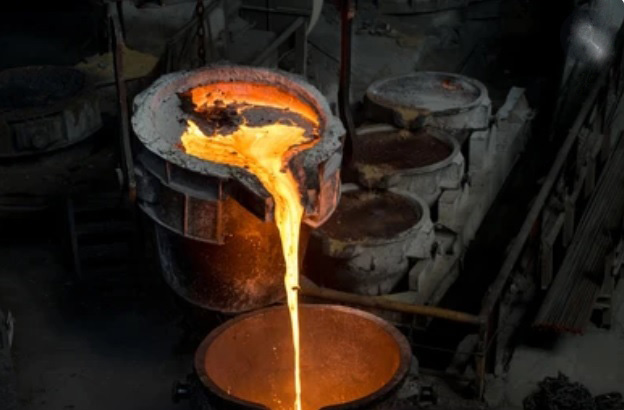
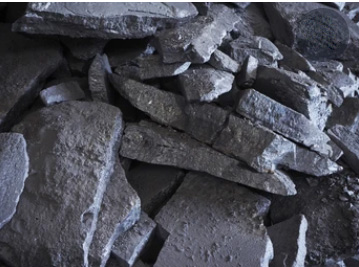
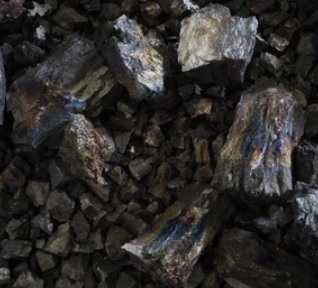
DJH International Corporation is a leading supplier in the steel industry; flux refers to a substance that is used to facilitate certain processes during steel production. Fluxes play a crucial role in removing impurities, adjusting the composition of the steel, and improving the efficiency of various metallurgical processes.
- Refining Fluxes: Refining fluxes are used during the refining process of steelmaking to remove impurities, such as sulfur, phosphorus, and non-metallic inclusions. These fluxes react with the impurities, forming slag, which can be easily separated from the molten steel. Lime (calcium oxide) and fluorspar (calcium fluoride) are commonly used as refining fluxes.
- Slag Forming Fluxes: Slag forming fluxes are used to create and maintain a protective layer of slag on the surface of molten steel. This slag layer acts as a barrier, preventing oxidation and protecting the steel from atmospheric impurities. Common slag-forming fluxes include limestone, dolomite, and silica.
- Desulfurizing Fluxes: Desulfurizing fluxes are specifically used to reduce the sulfur content in molten steel. They react with sulfur to form compounds that can be easily removed from the steel. Lime, fluorspar, and iron oxide are often employed as desulfurizing fluxes.
- Deoxidizing Fluxes: Deoxidizing fluxes are used to remove excess oxygen from the molten steel, preventing the formation of oxides that can weaken the final product. Ferromanganese, ferrosilicon, and aluminum are commonly used as deoxidizing agents in the form of fluxes.
- Alloying Fluxes: Alloying fluxes are employed to introduce specific alloying elements into the steel, such as chromium, nickel, or molybdenum. These fluxes aid in achieving the desired chemical composition and properties of the steel.
- Covering Fluxes: Covering fluxes are used to protect the steel during processes like electric arc furnace (EAF) steelmaking or metal casting. They create a layer on top of the molten steel, preventing heat loss, minimizing oxidation, and reducing the formation of slag.
It’s important to note that the specific choice of fluxes depends on the steelmaking process, the type of steel being produced, and the desired end product. Different fluxes have varying chemical compositions and properties, which are tailored to suit the specific requirements of steel production processes.